Yes. If your feather cushion has a removable cover with a clear shape, you can usually swap the feathers for a foam insert cut to fit. It won't feel like feathers, though, so the real job is choosing foam you'll enjoy sitting on.
Feather filling
Loose filling that moves around inside its casing. It flattens as you sit on it and needs plumping to get its shape back.
Foam insert
Cut to the shape of your cover, so it keeps that shape without plumping. How soft or firm it feels comes down to the grade you choose.
Tired of plumping? Here's how to check your cushions, measure the cover and choose the foam.
1. Check how your cushion is made
Unzip the cover and take the insert out. You'll usually find one of these.
Loose feathers in an inner casing
The straightforward swap. A solid foam insert cut to the cover replaces the whole casing.
Foam core with a feather surround
A different construction, and not one we supply. If you want to keep that feel, ask an upholsterer about your existing cushion first.
Fixed, curved or unusual shape
If the cushion is attached to the sofa, or you can't measure it confidently, get advice before ordering.
2. Measure the cover, not the flattened filling
- Take the feather insert out.
- Zip the cover closed and smooth it flat without stretching it.
- Measure the width and depth from seam to seam.
- For a boxed cushion, measure the side panel to get the thickness.
A collapsed feather insert won't tell you the size the foam needs to be. Our cushion cover measuring guide goes step by step, and if the cover is curved or tapered, check the measurements with us before you order.
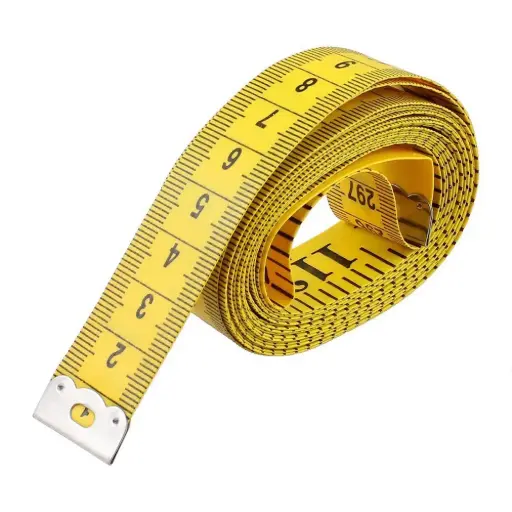
Tailors Soft Tape Measure
Bends around rounded edges and boxed sides.
3. Choose the thickness and grade together
There's no single foam grade for every feather-to-foam swap. Start with the thickness the cover needs, then choose the grade for the cushion's job and how firm you like it.
| Cushion | What it does | Where to start |
|---|---|---|
| Seat cushions | Takes your weight every time you sit | Enough support for everyday sitting. Thinner seats usually need firmer foam. |
| Back cushions | Carries less load than the seat | Can usually be softer, but must still fill the cover neatly. |
The firmest foam isn't automatically the fix for a cushion that's lost its shape. For more, see our foam thickness guide and foam grades explained.
Rather keep the feathers?
If you love the feel of feathers and the casings are still sound, topping up the filling is the other way to bring flat cushions back.
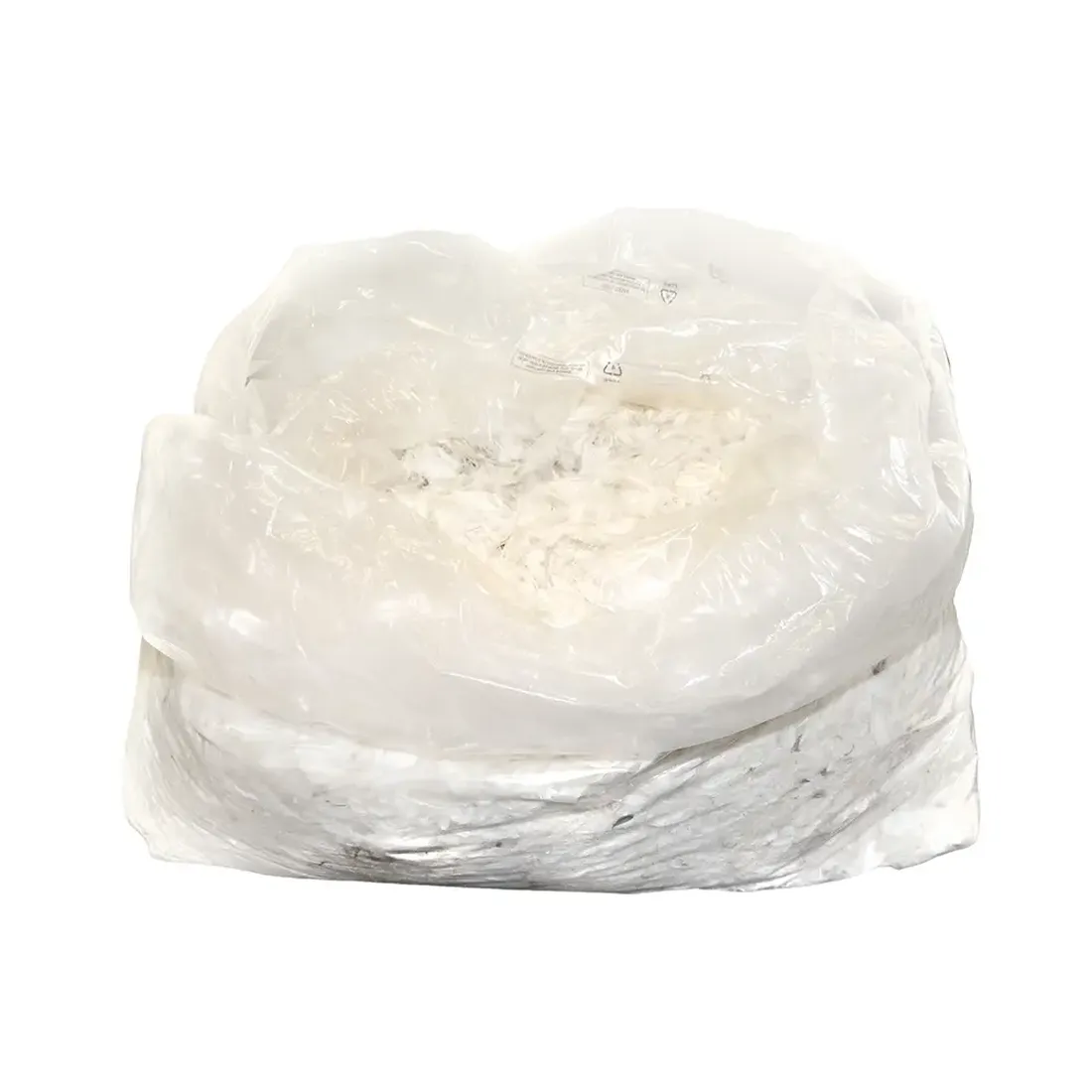
100% Feather Loose Fill
All feather, in a 10kg bag.
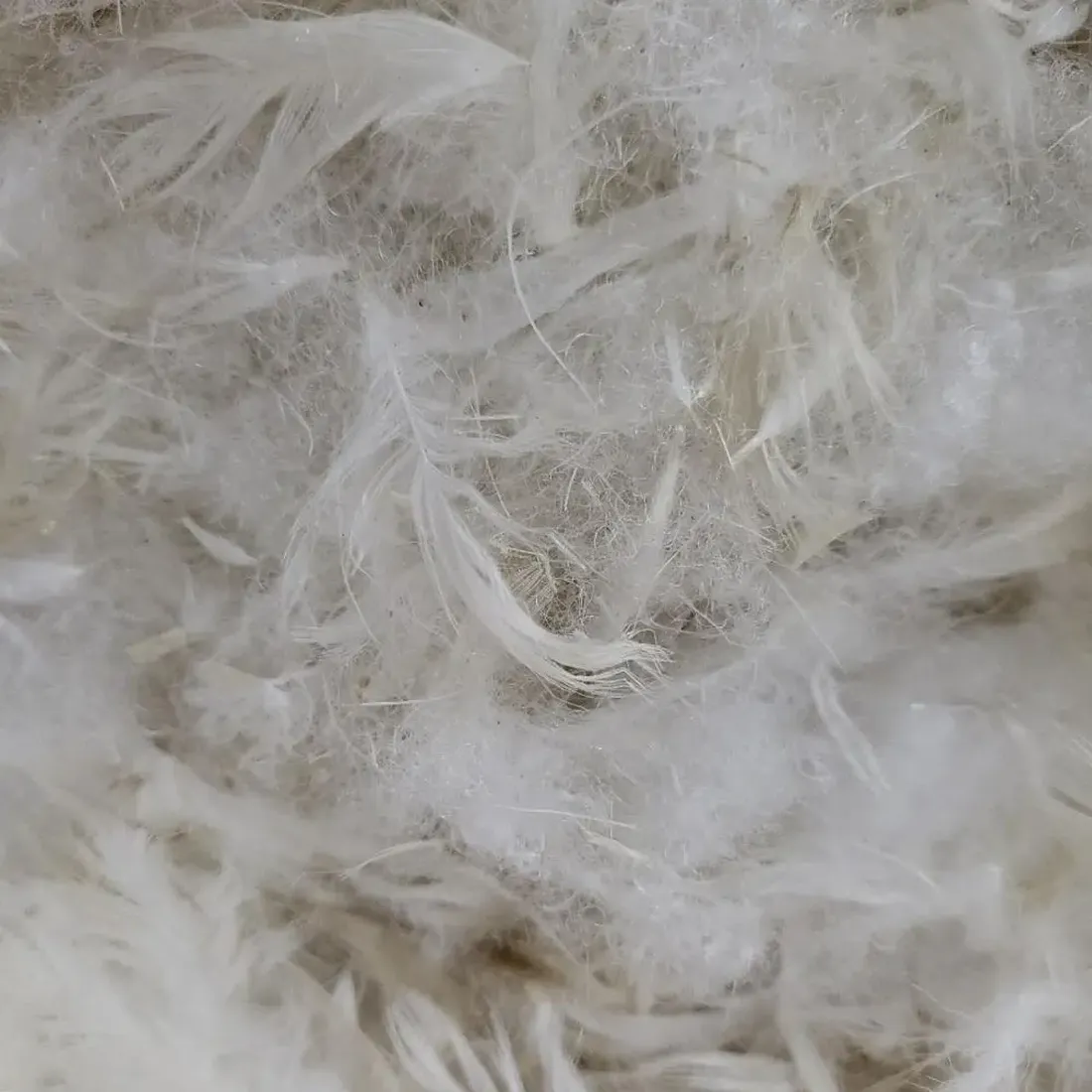
Feather + Fibre Blend
A feather and fibre mix, in a 10kg bag.
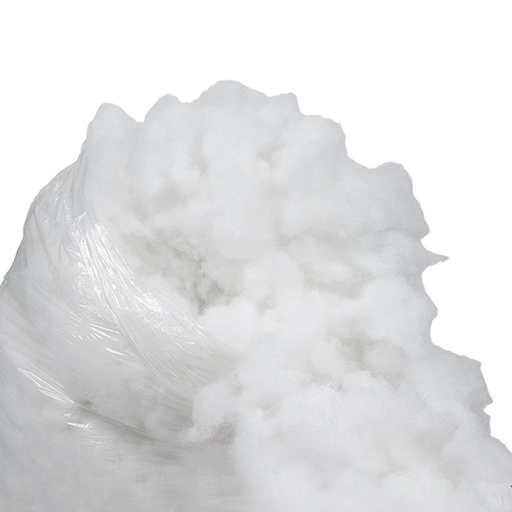
Polyester Fibre Filling
Loose polyester fibre, in a 10kg bag.
Browse all padding and filling.
Order your foam and fit it
Have it cut to your cover
Choose the closest cushion shape, enter your sizes in millimetres and tell the calculator what the cushion is for. It helps you pick a suitable grade, shows your price as you go, and lets you add a Dacron wrap for a softer, rounder finish.
Price my replacement cushionsNot sure yet?
Send us the cushion sizes, whether it's a seat or back cushion and the feel you're after. Photos of the cover and the old insert help us see how it's made.
Get help choosing foamTo fit it, fold the foam slightly, like a taco, guide it into the cover and reshape it once zipped. A snug fit is normal, and a little silicone spray helps it slide in. New foam may feel firmer at first and relax with use. Foam arrived compressed? See how to unpack it.
Feather to foam FAQs
No. Dacron is a polyester fibre wrap that softens the edges and gives the foam a smoother, rounder finish. It doesn't turn foam into a feather cushion or replace choosing the right grade. See our Dacron wrap guide.
No. Keep the foam measurements based on the cover. Dacron is thin and compresses, and shrinking the foam can leave the cushion loose.
No. Density and firmness are different things, so a higher-density foam isn't necessarily a harder one. See what high density foam means.